
DGs in the Sponsorship Chain
Directors General (DGs) are often described as the “pivot point” in the federal public service hierarchy. They connect the strategic vision articulated by Ministers, Deputy Ministers (DMs), and Assistant Deputy Ministers (ADMs) with the operational delivery carried out by Directors and managers.
In transformation initiatives, DGs act as translators: they interpret strategic intent, convert it into operational plans, and oversee execution while maintaining sponsorship visibility. Their role is demanding, because they must embody both urgency (responding to political and ADM pressures) and patience (ensuring their teams have the time and resources to adapt).
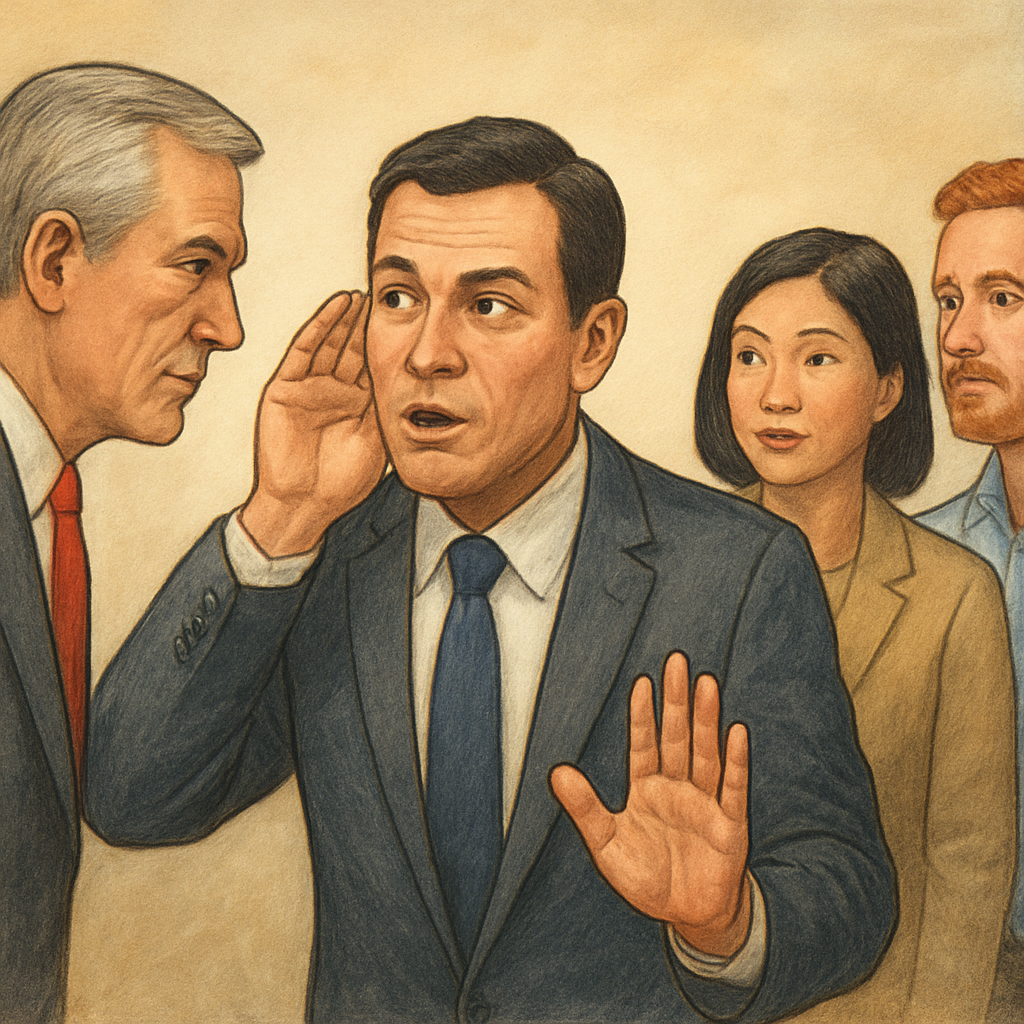
This blog explores how DGs can strengthen their sponsorship role by serving as interpreters, translators, and leaders of transformation.
DGs as Translators of Transformation
The DG role is one of translation and mediation:
- Translation of Strategy into Operations: DGs convert the language of high-level policy into practical implementation steps.
- Mediation Between Levels: They mediate the urgency expressed by ADMs with the realities of Directors and staff on the ground.
- Sponsorship as Presence: DGs are visible figures for staff, embodying transformation in everyday management practices.
Without DGs acting as translators, the risk of disconnect between vision and execution grows significantly.
The Sponsorship Responsibilities of DGs
DG-level sponsorship includes several core responsibilities:
- Clarifying the Why
DGs are often the first point where staff begin to understand not only what needs to change, but why. Articulating the rationale for reform is a key sponsorship function (Kotter, 2012). - Operationalizing Transformation
DGs turn abstract reform directives into tangible initiatives—policies, programs, service changes. They ensure that transformation aligns with organizational systems, processes, and capacities. - Managing Change Fatigue
Staff are frequently skeptical of new transformation waves, having seen many come and go. DGs must actively manage change fatigue by acknowledging concerns while reinforcing the importance of persistence (Heifetz, Grashow, & Linsky, 2009). - Maintaining Visibility
DGs are more accessible to staff than ADMs or DMs. Their sponsorship role depends on being seen and heard in the workplace, attending meetings, listening to concerns, and role-modeling commitment.
Urgency and Patience at the DG Level
DGs embody sponsorship by holding the paradox of urgency and patience in balance:
- Urgency:
- Meeting timelines set by ADMs and DMs.
- Demonstrating visible progress to keep political attention engaged.
- Delivering on milestones that justify continued investment.
- Patience:
- Allowing managers and staff space to test, adjust, and adapt.
- Sequencing change to avoid overwhelming already stretched resources.
- Building culture shifts over time rather than enforcing immediate compliance.
DGs must absorb urgency from above without passing it on unfiltered, while protecting staff and sustaining momentum.
Challenges in DG Sponsorship
The DG role is fraught with tension:
- Competing Demands: DGs are tasked with both leading transformation and ensuring day-to-day operations continue seamlessly.
- Resource Gaps: Transformation often arrives without sufficient funding or staffing. DGs must advocate for resources while still showing results.
- Staff Skepticism: Employees may see transformation as “flavor of the month.” DG sponsorship must counter skepticism through credibility and persistence.
- Cross-Silo Complexity: Many reforms require horizontal collaboration, forcing DGs to coordinate across branch boundaries where incentives are not always aligned (Savoie, 2008).
Without deliberate sponsorship, DGs risk being consumed by firefighting rather than leading.
Practical Sponsorship Strategies for DGs
1. Narrative Framing
DGs should consistently frame transformation in terms of purpose, values, and outcomes. Staff are more likely to engage when they understand why reform matters, not just what must be done.
2. Visible Engagement
DGs should maintain a visible presence in transformation initiatives by:
- Hosting town halls.
- Attending milestone meetings.
- Publicly recognizing staff contributions.
This visibility reinforces sponsorship credibility.
3. Prioritization and Sequencing
DGs should actively prioritize reforms within their portfolios, ensuring that staff are not overloaded. Sequencing initiatives allows momentum to build sustainably (Kotter, 2012).
4. Empowering Directors
DGs must empower Directors to lead at the operational level while holding them accountable for aligning with transformation priorities. This empowerment requires trust, delegation, and regular check-ins.
5. Building Adaptive Capacity
DGs should encourage experimentation and adaptive problem-solving, rather than rigid compliance. By cultivating a culture of learning, DGs build resilience for future transformation (Heifetz et al., 2009).
Case Example: DG Sponsorship in Service Transformation
A DG overseeing digital transformation within a large department faced pressure from their ADM to launch a new online service portal within 12 months. Staff were already struggling with existing workload.
The DG’s sponsorship approach included:
- Urgency: Creating a fast-track pilot program to deliver a minimal viable product within the political timeframe.
- Patience: Phasing rollout to allow staff training, user feedback, and gradual adoption.
- Visibility: Attending weekly project stand-ups and personally recognizing staff contributions.
The result: the portal launched on time, but in a phased way that avoided burnout. Staff saw the DG’s consistent presence as a sign of authentic sponsorship.
Risks of Weak DG Sponsorship
If DGs fail to fulfill their sponsorship role, transformation initiatives suffer:
- Staff disengage, perceiving change as another passing fad.
- Implementation becomes inconsistent across units.
- ADMs lose confidence in their DGs, leading to increased top-down micromanagement.
- Political and DM-level leaders see stalled momentum, undermining trust.
Research on public-sector reform repeatedly shows that weak middle-management sponsorship is one of the leading causes of failed transformation (Savoie, 2008).
DGs as Interpreters and Leaders
At their best, DGs are interpreters who:
- Translate vision into reality.
- Balance urgency with patience.
- Connect strategy to execution.
- Anchor staff morale while delivering results.
This requires deliberate sponsorship, not passive compliance.
External Support for DGs
DGs can strengthen their sponsorship role through:
- Executive coaching to develop adaptive leadership capacity.
- Facilitated workshops that align Directors with transformation goals.
- Structured frameworks that provide clarity and sequencing tools.
Such support allows DGs to sustain both urgency and patience without being overwhelmed by operational demands.
Conclusion: DGs as Translators of Transformation
Directors General are indispensable sponsors of transformation. Positioned between strategy and delivery, they hold the paradox of urgency and patience while translating vision into operational reality.
Through visible presence, narrative framing, prioritization, and empowerment of Directors, DGs provide the sponsorship necessary for transformation to succeed. Without them, reforms risk stalling in the space between ambition and execution.
DGs who embrace their sponsorship role not only deliver on today’s transformations—they build resilient organizations ready for tomorrow’s challenges.
What’s Next?
Institute X partners with DGs to strengthen their sponsorship role—helping them translate strategic vision into operational delivery while balancing urgency and patience.
References
- Goleman, D. (2013). Focus: The Hidden Driver of Excellence. HarperCollins.
- Heifetz, R. A., Grashow, A., & Linsky, M. (2009). The Practice of Adaptive Leadership. Harvard Business Review Press.
- Kotter, J. (2012). Leading Change. Harvard Business Review Press.
- Savoie, D. J. (2008). Court Government and the Collapse of Accountability in Canada and the United Kingdom. University of Toronto Press.